Roofing
The Anatomy of a High-Intent Roofing Lead: What Separates a Buyer from a Tire-Kicker
A detailed breakdown of the intent signals, storm dynamics, insurance workflows, and qualification tactics that separate a homeowner ready to sign a roofing contract from one who is months from buying.
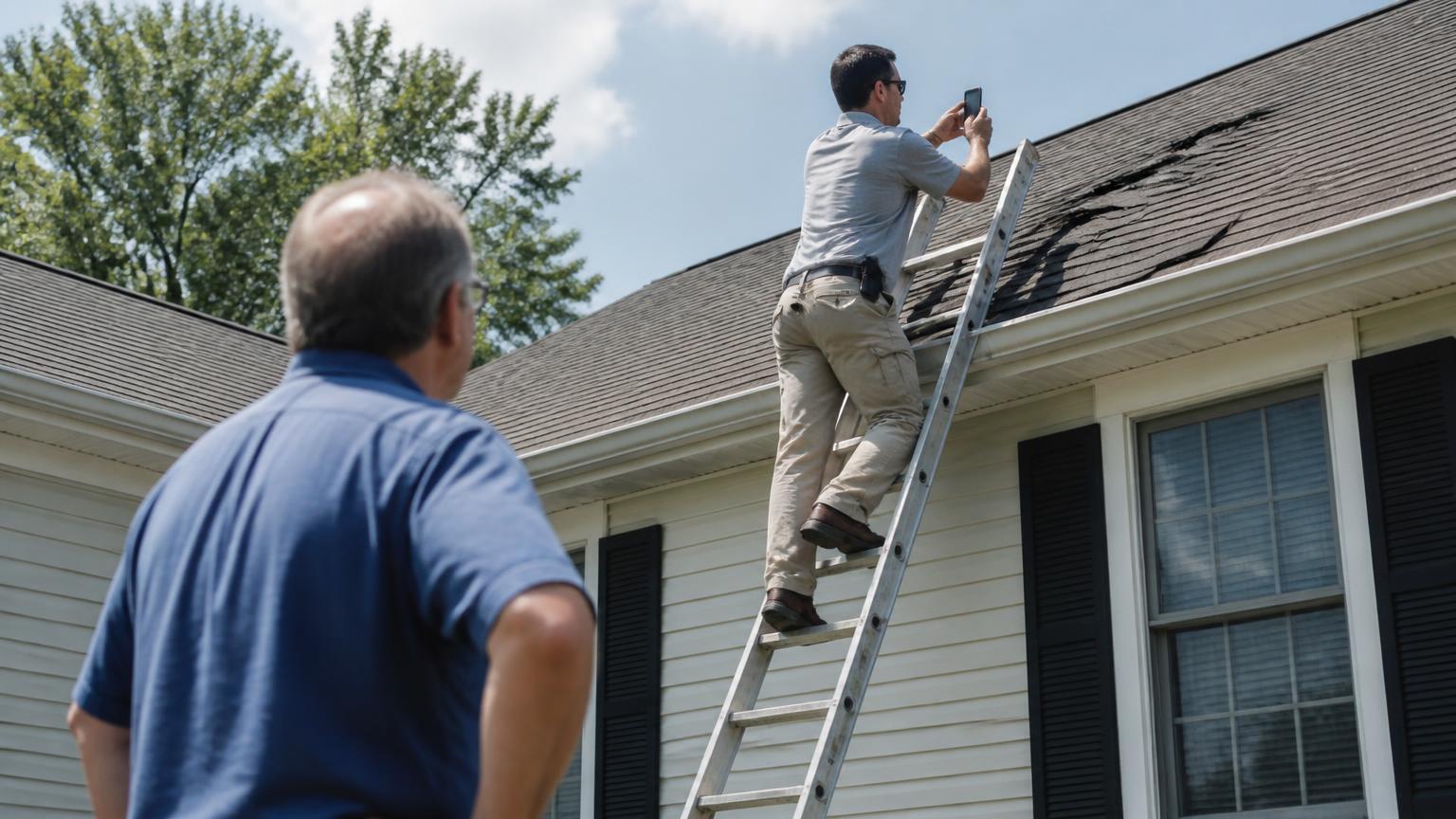
Not every roofing lead is created equal. A homeowner Googling 'shingle types' is months from buying. A homeowner searching 'roof leak repair today near me' has cash-in-hand urgency. A homeowner whose neighbor's roof just got tarped after a hailstorm is a different kind of buyer altogether. Understanding these differences is what turns a mediocre roofing marketing budget into a printing press.
This article covers the specific intent signals that predict a closed roofing job, the role of storm activity and insurance workflows in the modern roofing pipeline, and the qualification structure that separates estimate-worthy prospects from browsers.
The intent signal hierarchy in roofing
Not all high-intent keywords are equal. The strongest signals in roofing, in rough order of closing probability: damage-triggered searches ('storm damage inspection'), insurance-related queries ('roof claim adjuster', 'insurance denied my roof claim'), emergency searches ('emergency tarp', 'roof leak in rain'), age-triggered searches ('replace 20 year old roof'), and finally general education searches ('best shingle brands', 'metal vs asphalt').
Every one of the top four categories implies a decision has already been made — the homeowner is just picking a contractor. The last category is pipeline for six months out. A well-run roofing lead engine bids aggressively on the first four and treats the fifth as a nurture-only audience.
The role of storm activity and demand spikes
Hail and wind events create predictable demand spikes that dwarf baseline organic demand. A single moderate hailstorm across a metro area can produce 500–3,000 immediate insurance-driven roofing inquiries within 72 hours.
A quality lead source is monitoring NOAA and storm-tracking APIs and dynamically shifting media spend into affected metros within 24–48 hours of a storm. That timing arbitrage is often invisible to the contractor but shows up as sudden lead volume in the days after a hail event. Contractors with storm-specialized capacity (adjuster meetings, xactimate expertise, insurance-supplement workflows) close storm leads at 45–60% because the customer needs someone who knows how to work with the carrier.
Insurance-driven leads: the workflow that makes them profitable
Insurance-restoration roofing is a different sales motion than retail. The customer's out-of-pocket is small; the negotiation is with their carrier. The winning contractors are the ones who own the entire adjuster meeting workflow, document damage professionally, and know how to write and defend a supplement.
Marketing for insurance leads should qualify on carrier, deductible, and prior claim history at intake. A homeowner with an unfiled claim on a State Farm policy is a different opportunity than one whose claim was already denied by USAA. Both are workable — but the sales path is different.
Retail vs insurance vs commercial: three different pipelines
Roofing companies often blur three distinct pipelines in one funnel. Retail replacement is a slower sale (2–4 weeks) with a higher close rate on referrals and previous-customer leads. Insurance restoration is faster (7–14 days) and needs storm-driven paid media. Commercial roofing is a months-long sales cycle driven by property manager relationships and RFPs.
Trying to run all three on the same landing page produces mediocre results in all three. Segment your paid ads, your landing pages, and your CRM tags. Different intake scripts, different follow-up cadences, different close rates.
Qualifying at intake — the five-question script
Even the best lead needs qualification. A five-question intake — property ownership, roof age, prior damage, insurance status, and decision timeline — separates estimate-worthy prospects from shoppers. The best roofing operators run this qualification during the initial callback, not on the roof.
'Are you the homeowner, or checking pricing for a family member?' 'Roughly how old is the current roof?' 'Any visible damage, or is this a proactive inspection?' 'Have you filed an insurance claim, or planning to?' 'Are you looking to move on this in the next 30 days, or exploring options?' Two disqualifying answers routes the lead to a nurture sequence rather than dispatching an estimator.
Follow-up: where 20% of your revenue lives
Even excellent roofing leads have a two-touch profile. The first call books an inspection. The inspection produces a bid. The bid sits for 5–14 days while the homeowner talks to their spouse, checks reviews, and often price-shops one more competitor. Operators who invest in structured follow-up during that window close 15–25% more roofs than those who do not.
The follow-up cadence that works: 24-hour thank-you email with the proposal attached, 72-hour value-add SMS (a photo, a warranty document, a case study), 7-day check-in call, 14-day final SMS with a soft deadline. This cadence recovers deals that day-one contact missed.
Red flags in roofing lead sources
The roofing category attracts predatory lead vendors more than any other trade. Red flags: unnamed 'partner network' sources, pricing dramatically below market, no dispute policy for wrong-numbers, no ZIP-level exclusivity, and inability to produce sample call recordings. If a vendor cannot describe how the lead was generated, assume it was scraped or resold.
Frequently Asked
Questions & answers
What is a good close rate on exclusive roofing leads?
Well-run roofing operators typically close 25–40% of exclusive leads on retail replacement. Storm-driven insurance work can push that above 50% when the operator has adjuster and supplement expertise.
How much should I pay for a storm-driven roofing lead?
Storm-driven insurance leads typically run $110–$250 per exclusive inquiry in most metros. The higher price reflects the higher close rate and higher average ticket ($15K–$40K).
How do I qualify insurance vs retail leads at intake?
Two questions: 'Have you filed a claim, or planning to?' and 'Have you had a recent inspection?' Filed claims route to your insurance workflow; unfiled but recent damage routes to your storm/inspection team; no damage and no claim is retail replacement.
Are aged roofing leads worth buying?
Rarely for immediate revenue. Aged leads (30+ days old) close at under 2% and are typically resold multiple times. Better spent on your own reactivation of past estimates.
Put this into practice
Check your market for exclusive leads
See whether your service area and category are still open for exclusive representation.
Check availability