Restoration
Water Damage Restoration Leads: How Restoration Companies Win Emergency Jobs
Discover how local restoration companies capture exclusive water damage restoration leads through local SEO, AI search optimization, and rapid response strategies.
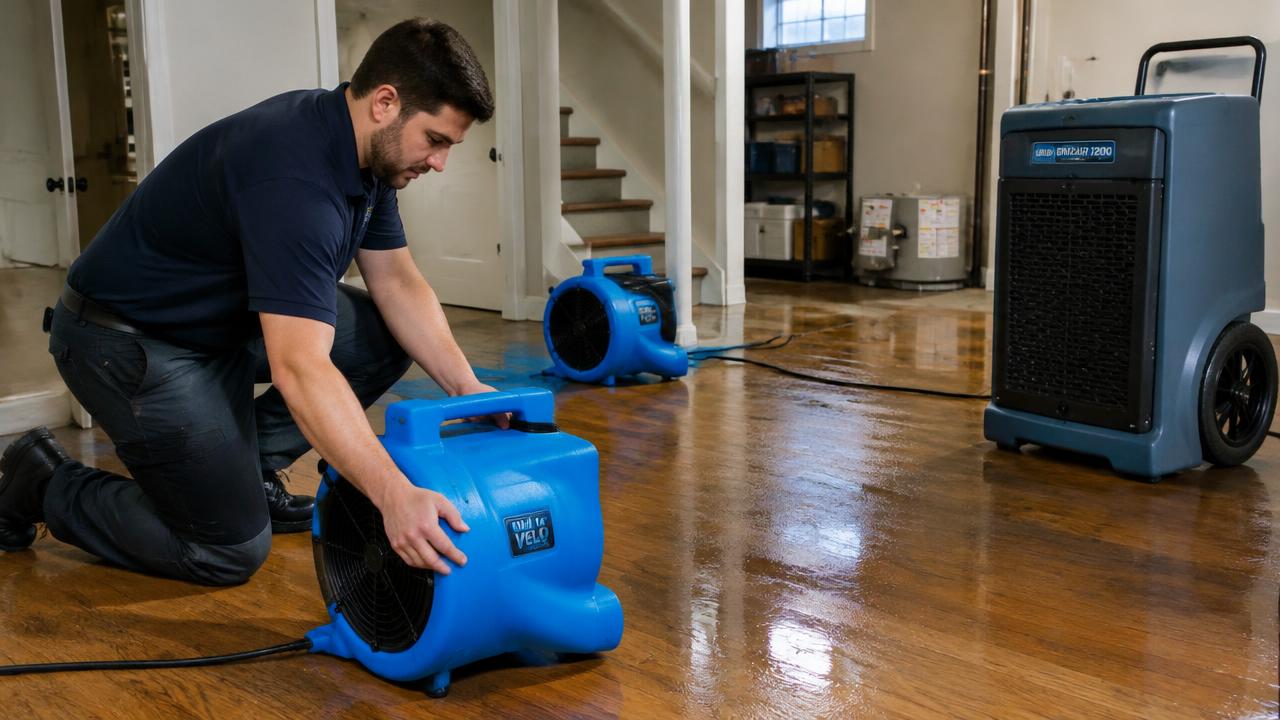
Water damage restoration leads are direct inquiries from property owners experiencing immediate flooding or moisture issues who need emergency cleanup services. Winning these jobs requires absolute precision in local search visibility, rapid response times, and a reliable system for capturing exclusive contact information. Restoration companies that dominate their local markets combine optimized online profiles with strategic lead generation partnerships to intercept these emergency calls before competitors even realize an incident has occurred.
The water mitigation industry operates on sheer urgency. When a homeowner discovers a burst pipe or a flooded basement, they do not spend hours researching options or reading lengthy service descriptions. They pull out their smartphone, search for immediate help, and call the first reputable company that appears in their search results. Capturing these high intent searchers requires a robust digital footprint that leverages both traditional local search engine optimization and emerging artificial intelligence search platforms. Your business must be positioned exactly where the customer is looking at the exact moment disaster strikes.
To truly scale a mitigation business, owners need a predictable pipeline of incoming calls that are not shared with half a dozen other contractors in the area. Relying on shared directories often leads to a race to the bottom in pricing and wastes valuable time calling prospects who have already hired someone else. By focusing on exclusive inquiries and building a robust intake process, restoration professionals can maximize their dispatch efficiency and secure more profitable mitigation work.
What Are Water Damage Restoration Leads?
Water damage restoration leads represent property owners, property managers, or business owners actively seeking professional assistance to extract water, dry structures, and prevent mold growth after an incident. These inquiries typically originate from online searches, digital advertisements, or local maps listings when someone faces an immediate crisis like a ruptured water heater or severe storm intrusion. Because the nature of the work is inherently urgent, these prospects possess extremely high commercial intent and are usually prepared to authorize mitigation work immediately upon your arrival.
Understanding the anatomy of these inquiries helps business owners tailor their marketing strategies effectively. A true mitigation lead provides actionable contact information, a description of the damage, and the property location. The most valuable inquiries come from individuals who have not yet contacted their insurance provider or are looking for a certified contractor to guide them through the initial mitigation process. These raw opportunities must be captured through a seamless digital experience that reassures the caller that help is available and on the way.
Securing these opportunities requires more than just having a functional website. It demands a holistic approach to local digital marketing that places your brand at the forefront of emergency queries. This includes comprehensive optimization efforts that signal trust and authority to search engines. When you partner with Lead Search Pros for water damage restoration leads, you receive exclusive access to these high intent prospects, ensuring your team is the only one responding to their urgent request.
The Urgency Factor
Emergency leads require a completely different operational mindset compared to standard home improvement inquiries. The customer is often standing in a pool of water, experiencing significant stress, and looking for immediate reassurance.
Types of Damage Inquiries
Calls can range from clean water supply line breaks to highly contaminated sewage backups. Properly categorizing these leads during the initial contact allows dispatchers to send the right equipment and prioritize responses based on severity.
Why Is Speed Critical When Responding To Emergency Leads?
The restoration industry is dictated by the clock, making rapid response times the single most important factor in converting an inquiry into a booked job. When a property is actively taking on water, every passing minute results in further structural damage and increased secondary destruction like mold proliferation. Consequently, homeowners will simply move down the list of search results if their first call goes to voicemail or if they do not receive a callback almost instantly.
Implementing a strict speed to lead protocol transforms how your business captures market share. Dispatchers must be trained to answer calls within the first few rings and web form submissions must trigger immediate alerts to your on call staff. Establishing an automated notification system ensures that no inquiry falls through the cracks, regardless of when the property owner reaches out. Companies that master this rapid deployment outpace competitors who rely on passive communication methods.
Beyond just securing the initial job, a fast response sets the tone for the entire customer relationship and the subsequent insurance claim process. When your team arrives promptly to extract water and set up drying equipment, the property owner feels validated in their choice. This high level of early service often translates into smoother project approvals, fewer objections during the mitigation phase, and ultimately, stronger local reviews that fuel future lead generation efforts.
How Does AI Search Optimization Affect Local Restoration Companies?
Artificial intelligence is fundamentally changing how consumers find emergency services, making AI search optimization an indispensable component of modern local marketing. Homeowners are increasingly using voice assistants and AI driven search engines to find contractors. Instead of typing short phrases, they ask complex, conversational questions about immediate flooding solutions or emergency water extraction in their specific neighborhood. Your digital presence must be structured to answer these natural language queries clearly and authoritatively.
Search engines now utilize advanced algorithms to generate direct answers at the very top of the results page. To be featured in these highly visible snippets, your website content must be highly structured, factual, and formatted to resolve the user's immediate problem. This involves creating detailed service pages that clearly define what you do, where you operate, and how quickly you can arrive. When your content satisfies these algorithmic requirements, you increase your chances of being recommended by AI tools as the most relevant local provider.
Optimizing for these new platforms requires a shift from traditional keyword stuffing to building genuine topical authority. This means publishing comprehensive resources about mitigation techniques, equipment, and local response protocols. Integrating SEO and AI optimization into your broader strategy ensures that your restoration company remains visible regardless of whether the customer is typing on a desktop, speaking to a smart speaker, or chatting with an AI assistant during an emergency.
Structuring Data For AI
Providing clear technical signals through schema markup helps AI search engines understand your business hours, service area, and emergency capabilities. This invisible layer of code is crucial for connecting your business with local emergency queries.
Conversational Content Strategies
Writing content that directly answers specific homeowner questions builds trust with both the algorithms and the readers. Addressing common concerns about the restoration process positions your brand as a helpful authority.
How Can A Google Business Profile Generate Emergency Calls?
Your Google Business Profile serves as the digital front door to your restoration company, especially for consumers requiring immediate assistance. When a local resident searches for a water damage contractor, the map pack usually dominates the top of the search results screen. Securing a prominent position within these map results is critical because it offers a direct call button, allowing frantic homeowners to contact your dispatch center with a single tap on their smartphone.
To maximize the performance of your profile, every detail must be meticulously updated and verified. This includes ensuring your business name, local address, and emergency phone number are perfectly consistent across all internet directories. Additionally, selecting the most accurate primary and secondary business categories helps the search engine understand exactly what services you offer. An incomplete profile signals a lack of professionalism and will likely be buried beneath competitors who have invested time in their local listings.
Regularly updating your profile with fresh content also signals active business operations to the search engine algorithms. Uploading high quality photos of your branded vehicles, extraction equipment, and uniformed team members builds immense trust with potential callers. Publishing weekly update posts about recent mitigation jobs, storm preparation tips, or community involvement keeps your listing engaging. These consistent signals help maintain high visibility during critical weather events when call volume spikes.
Many successful contractors actively monitor their maps performance to track the return on their local optimization efforts. By closely managing this free tool alongside a dedicated lead generation partnership, you create a powerful dual approach to dominating your service territory. The synergy between strong organic map rankings and targeted exclusive leads forms the foundation of a highly profitable restoration enterprise.
What Is The Difference Between Shared And Exclusive Leads?
The distinction between shared and exclusive inquiries is often the deciding factor in a restoration company's profit margins and dispatch efficiency. Shared directories sell the exact same customer contact information to multiple contractors simultaneously. This creates an immediate race to contact the homeowner, forcing businesses to compete aggressively on price rather than service quality. When your team arrives at the property, they may find another company's trucks already parked in the driveway, resulting in wasted time and fuel.
In contrast, exclusive leads are routed to a single service provider within a specific geographic market. When a property owner calls or submits a form, that information goes directly and only to you. This exclusivity eliminates the chaotic bidding war and allows your dispatchers to guide the caller calmly through the intake process. Because the homeowner is not being bombarded by calls from competing contractors, they are far more receptive to scheduling an immediate inspection.
Investing in an exclusive lead generation model significantly improves your conversion rates and team morale. Your sales staff can focus on qualifying the damage and outlining your professional mitigation process rather than simply trying to be the lowest bidder. Lead Search Pros operates strictly on this exclusive model, ensuring that every inquiry delivered to your business is yours alone to work, manage, and convert into a profitable mitigation project.
The Cost of Shared Leads
While shared leads might appear cheaper upfront, the low conversion rate and high frustration levels often make them far more expensive in the long run. Wasted dispatch trips drain operational resources rapidly.
Building Brand Value
Exclusive inquiries allow you to control the entire customer experience from the first ring. This uninterrupted communication builds brand loyalty and creates a much smoother transition into the actual restoration work.
How Does Pay Per Lead Compare To Pay Per Click Campaigns?
Understanding the financial mechanics behind different marketing strategies is crucial for scaling a restoration business safely. Traditional pay per click advertising requires contractors to pay search engines every time a user clicks on their advertisement, regardless of whether that user actually contacts the business. This model demands constant campaign optimization, negative keyword management, and split testing to prevent budgets from being drained by irrelevant traffic or competitors clicking your ads.
The pay per lead model shifts the marketing risk away from the restoration company and onto the marketing provider. Instead of paying for website traffic or ad impressions, you only pay when a qualified prospect actually reaches out for your services. This predictable cost structure makes it significantly easier to calculate your return on investment and forecast revenue. When comparing these diverse marketing avenues, many business owners greatly prefer the certainty of paying for actual inquiries rather than mere clicks.
With a performance based approach, marketing expenses align directly with tangible business opportunities. Our model requires packages to be paid upfront before delivery, but you receive a set number of guaranteed exclusive inquiries. There is no retainer fee, and the arrangement operates on a month to month basis with a thirty day notice requirement. This flexible structure allows restoration contractors to scale their lead volume up or down based on their current operational capacity and local weather events.
What Intake Questions Should Dispatchers Ask Callers?
The initial phone conversation is the most critical juncture in the emergency restoration process. Dispatchers must seamlessly balance empathy for the caller's stressful situation with the need to gather precise, actionable information. Establishing a strong qualification framework ensures your team sends the right equipment to the right location without wasting time. A standardized script helps prevent crucial details from being overlooked during the chaotic first moments of communication.
First, the dispatcher must confirm the safety of the occupants and determine the exact source of the water intrusion. Knowing whether the water is clean supply water, chemical laden runoff, or raw sewage dictates the safety gear and containment protocols required for the response team. The dispatcher should also ask if the water source has been successfully shut off. If the water is still flowing, walking the homeowner through the process of locating their main shutoff valve builds immediate trust and authority.
Next, gathering information about the extent of the damage helps operations managers prepare the necessary extraction units and dehumidifiers. Asking about the affected square footage, the type of flooring involved, and how long the water has been sitting provides a clear picture of the job scope. Additionally, identifying whether the property is residential or commercial helps determine the scale of the required response and potential insurance implications.
Finally, the dispatcher needs to confirm property ownership and clearly explain the next steps. It is vital to outline exactly when the response team will arrive and what the initial assessment will look like. Providing this roadmap calms the caller and reduces the likelihood that they will hang up and call a competitor. Proper screening at this stage elevates your professional image and sets the stage for a successful mitigation project.
Empathy In Action
Callers experiencing property damage are often in a state of panic. Dispatchers who use a calm, reassuring tone while methodically gathering facts can quickly deescalate the situation and secure the appointment.
Technical Screening
Asking specific questions about the age of the home and the presence of potential hazards like asbestos or lead paint helps protect your technicians. This upfront technical screening is essential for safe deployments.
How Should Restoration Businesses Handle After Hours Emergency Calls?
Water damage does not adhere to standard business hours, meaning a significant portion of lucrative mitigation leads will arrive in the middle of the night or on weekends. Failing to answer these after hours calls means leaving substantial revenue on the table and allowing competitors to capture market share. Establishing a reliable system for managing late night inquiries is a fundamental requirement for any serious restoration enterprise looking to maximize their lead generation investments.
Many successful companies utilize specialized answering services trained specifically in restoration dispatching. These professionals can answer calls promptly, execute your custom intake script, and immediately page the on call technicians. Alternatively, employing an internal rotating on call schedule ensures that a knowledgeable team member is always available to answer the phone directly. Whichever method you choose, the transition between daytime operations and after hours coverage must be entirely seamless to the customer.
When utilizing a marketing partner for lead generation, it is crucial to ensure your business can handle the influx of calls regardless of the time. When reviewing how it works with Lead Search Pros, contractors understand that exclusive inquiries can arrive at any hour. Having a robust after hours routing protocol helps ensure that you capitalize on every paid opportunity and provide the immediate assistance that distraught property owners desperately need.
Why Do Customer Reviews Drive More Local Search Visibility?
In the restoration industry, trust is the ultimate currency. When a homeowner faces severe property damage, they look to the experiences of past customers to determine which contractor is reliable and competent. Online reviews serve as powerful social proof that heavily influences a prospect's decision to call your business instead of a competitor. Furthermore, search engines actively monitor review velocity, quantity, and sentiment to determine local search rankings.
A consistent stream of detailed, positive reviews signals to algorithms that your business is active, legitimate, and highly regarded by the community. Reviews that mention specific services, such as emergency water extraction or basement drying, naturally incorporate relevant search terms that boost your overall local relevance. Encouraging satisfied clients to leave feedback on your local profiles should be a mandatory step in your project closeout process. The effort spent gathering these testimonials pays massive dividends in organic search visibility.
Handling negative reviews is equally important for maintaining a pristine digital reputation. Responding promptly and professionally to any less than stellar feedback demonstrates accountability and a commitment to customer satisfaction. Future prospects often read these responses to gauge how a company handles adversity. A strong reputation management strategy ensures that when high quality leads search for your brand, they find a company they feel completely comfortable inviting into their damaged home.
Timing The Review Request
The best time to ask for a review is immediately after the mitigation phase is successfully completed and the customer is relieved that the immediate crisis is over. Striking while the positive emotions are high yields the best response rates.
Leveraging Detailed Feedback
Asking customers to mention the specific city they live in and the type of damage you resolved helps build immense local context for search engines. This highly specific feedback drives hyper local visibility.
How Does Seasonality Impact Water Damage Job Volume?
While certain plumbing failures happen year round, the restoration industry is heavily influenced by seasonal weather patterns that create massive spikes in demand. During freezing winter months, northern markets experience a surge in burst pipe emergencies as uninsulated plumbing succumbs to dropping temperatures. Conversely, coastal regions and southern markets often see their highest lead volumes during hurricane season or periods of intense spring thunderstorms that cause widespread structural flooding and roof leaks.
Understanding these regional weather trends allows restoration owners to scale their marketing efforts and staffing levels proactively. When a deep freeze or severe storm is forecasted, prepared companies increase their equipment readiness and verify their on call schedules. Adjusting your lead generation capacity ahead of these predictable weather events ensures you are positioned to capture the influx of emergency calls. Companies that fail to anticipate these shifts often find themselves overwhelmed or completely sidelined while competitors thrive.
Because Lead Search Pros operates on a flexible month to month basis with a thirty day notice requirement, contractors can align their marketing investments with their historical seasonal data. Knowing your market conditions and adjusting your package size before a busy season supports a steady flow of exclusive inquiries when demand peaks. This strategic planning prevents operations from stalling during slower months and maximizes revenue during weather driven events.
What Role Does A CRM Play In Tracking Job Opportunities?
Capturing a lead is only the first step in the revenue generation process. Meticulously tracking that opportunity through to a signed contract requires a robust Customer Relationship Management system. A specialized CRM platform allows restoration businesses to organize inbound calls, web submissions, and direct messages in one centralized dashboard. This technology eliminates the chaotic use of paper notes and disparate spreadsheets, ensuring that every prospect receives timely follow up communication.
Effective client management systems automate much of the administrative burden associated with lead handling. When an inquiry enters the system, automated text messages and emails can immediately acknowledge the request while a dispatcher prepares to call. Additionally, the software can trigger reminder tasks for sales representatives to follow up on pending estimates or insurance approval statuses. This persistent, organized follow up is often the key to closing complex restoration jobs that require multiple touchpoints.
Furthermore, a well implemented CRM provides critical data regarding your marketing performance and operational efficiency. By tagging the source of every inquiry, business owners can clearly see which lead generation channels are producing the most profitable jobs. Tracking metrics such as response time, conversion rate, and average job size helps identify bottlenecks in the sales process. This granular visibility allows for informed decision making when allocating future marketing budgets.
Maintaining detailed records within your CRM also simplifies the process of auditing lead quality. If a contact proves to be entirely outside your service area or disconnected, having timestamped notes makes it easy to submit a replacement request. Integrating your exclusive leads directly into a professional management system creates a streamlined workflow that maximizes the value of every single marketing dollar spent.
How Do Invalid Leads Impact Your Marketing Budget?
In any lead generation campaign, encountering a small number of invalid inquiries is an unavoidable reality of digital marketing. Callers might accidentally dial the wrong number, consumers might be searching for auto glass repair instead of water mitigation, or the contact information provided might be entirely fabricated. When companies pay for marketing services that do not account for these anomalies, their actual cost per acquisition skyrockets, quietly eating away at anticipated profit margins.
Protecting your marketing budget requires a transparent agreement with your lead provider regarding how bad data is handled. Lead Search Pros maintains a clear lead policy designed to protect local businesses from paying for useless information. If you receive a clearly invalid lead, such as a disconnected number or an inquiry for a service you do not provide, you must report it within seventy two hours. These invalid leads are replaced free of charge, though they are not refunded, ensuring your purchased package volume remains whole.
Managing these replacements diligently is the responsibility of the restoration business owner. By closely monitoring incoming calls and promptly flagging unqualified contacts through the proper channels, you maintain the integrity of your marketing investment. This collaborative approach between the contractor and the marketing agency fosters a long term, profitable relationship built on fair business practices and mutual accountability.
Identifying Invalid Inquiries
Training your intake staff to quickly identify misdirected calls, out of territory requests, or spam solicitations ensures these contacts are documented immediately. Prompt documentation is essential for valid replacement claims.
The Value Of A Fair Policy
Knowing that bad leads will be replaced allows business owners to forecast their return on investment with much greater confidence. It removes the friction often associated with purchasing third party marketing services.
What Are The Best Practices For Screening Restoration Inquiries?
Effective screening is the process of filtering raw inquiries to determine their viability, urgency, and profitability before deploying a fully equipped response team. Not every water issue requires a professional mitigation response. Sometimes, a caller simply needs a plumber to fix a dripping faucet under the sink where no structural drying is necessary. Dispatching restoration technicians to minor plumbing repairs wastes valuable resources that should be reserved for true emergency extraction jobs.
Developing a structured screening protocol helps your team ask the right questions to uncover the true scope of the problem. Dispatchers should inquire about standing water, wet drywall, and the presence of odors. They should also ask if the property owner intends to file an insurance claim or pay out of pocket. Understanding the financial avenue the customer plans to pursue helps the project manager prepare the appropriate documentation and set realistic expectations during the initial site visit.
Because Lead Search Pros utilizes strict criteria where inquiries are screened, the volume of irrelevant calls is significantly reduced before they ever reach your phone. However, conducting your own internal screening remains vital for prioritizing dispatch orders during busy storm events. By combining a high quality exclusive lead source with a sharp internal intake process, restoration companies can ensure their crews are always working on high margin mitigation projects.
How Can Local SEO Strategies Keep Your Business Relevant?
Local Search Engine Optimization is the foundational pillar that supports all other digital marketing efforts for a restoration company. When homeowners need emergency services, they naturally append their city name or the phrase near me to their search queries. Local SEO ensures that your website and digital profiles signal absolute relevance to these geographic searches. This involves carefully structuring your website hierarchy, embedding local schema markup, and ensuring your business information is perfectly consistent across the web.
Creating dedicated location pages for every major suburb or county you service is a highly effective tactic for capturing regional traffic. These pages should contain unique, hyper local content that discusses specific neighborhood challenges, historical weather events, and community landmarks. By building a network of localized content, you prove to search engines that your mitigation services are deeply rooted in the area. This strategy captures property owners who search for hyper specific neighborhood terms rather than just broad city names.
Building authoritative local backlinks also strengthens your geographic relevance. Sponsoring local youth sports teams, joining regional chambers of commerce, and participating in community charity events often results in links pointing back to your website from highly trusted local domains. These localized signals act as digital endorsements, pushing your organic rankings higher and making your brand the most visible and trusted option when water damage strikes the community.
Technical Site Health
A fast, mobile responsive website is critical for local rankings. Search engines penalize sites that load slowly or offer poor user experiences, especially for users accessing the site via smartphones during an emergency.
Continuous Content Creation
Publishing ongoing content about local water damage risks and seasonal preparation keeps your domain fresh and relevant. Consistent publishing proves to algorithms that your business is an active, authoritative resource.
How Should You Navigate Insurance Documentation And Compliance?
The vast majority of significant water damage restoration jobs involve property insurance claims, making proper documentation an essential component of the business. From the moment you secure the lead, your team must meticulously record the extent of the damage to justify the mitigation techniques employed. Taking exhaustive photographs, recording detailed moisture readings, and sketching accurate floor plans protect your business from denied claims and ensure you receive full compensation for your labor and equipment usage.
Navigating the complex relationship between the homeowner, the restoration contractor, and the insurance adjuster requires tact and immense professionalism. Your role is to mitigate the damage and document the facts without acting as an unauthorized public adjuster. Establishing transparent communication with insurance carriers while fiercely advocating for the proper drying protocols builds your reputation as a trustworthy professional. This reputation often leads to direct referrals from local insurance agents who appreciate your thorough and honest documentation practices.
It is vital to recognize that contracting laws, consumer protection regulations, and insurance handling procedures vary significantly by state. Business owners must implement documentation practices that comply with their specific regional requirements. Always consult the applicable bar or regulatory guidance in your jurisdiction to ensure your contracts, assignment of benefits forms, and collection procedures remain strictly compliant with local statutes. Proper legal compliance safeguards the revenue generated from your lead campaigns.
How Does A Pay Per Lead Partnership Actually Work?
Transitioning to a pay per lead model can revolutionize a restoration company's growth trajectory, but understanding the operational mechanics is essential for a smooth partnership. The process begins by defining the exact geographic territory you wish to target and selecting a package size that aligns with your current staffing and equipment capacity. Once the market parameters are established, the marketing agency deploys targeted local search and AI optimization campaigns designed specifically to capture high intent emergency inquiries in that area.
Unlike traditional marketing agencies that charge hefty monthly retainers regardless of performance, the pay per lead model is strictly transactional based on guaranteed volume. Packages are paid upfront before delivery, securing a set number of exclusive inquiries for your business. Because Lead Search Pros brings over ten years of sales and marketing experience to the table, the campaigns are already optimized to filter out irrelevant traffic and deliver highly actionable contacts directly to your dispatch center.
The billing and commitment structure is designed to offer maximum flexibility to the business owner. There is no retainer, and the partnership operates month to month with a standard thirty day notice required for cancellation or major package adjustments. This allows restoration contractors to scale their marketing investments in harmony with seasonal weather patterns or internal growth phases. Reviewing the pricing structures helps owners forecast exactly how many new mitigation jobs they need to close to achieve their revenue targets.
Ultimately, this partnership functions as an extension of your own internal sales team. By securing a reliable pipeline of exclusive water damage calls, business owners can step away from the daily stress of digital marketing management. This freedom allows restoration professionals to focus their energy entirely on what they do best, providing exceptional emergency mitigation services, managing complex insurance claims, and building a stellar reputation in their local community.
The Onboarding Process
Getting started requires a straightforward alignment of your service area and intake capabilities. A smooth onboarding ensures your dispatchers are fully prepared to handle the incoming call volume the moment the campaigns go live.
Long Term Scaling
As your business acquires more drying equipment and hires additional technicians, the lead volume can be easily scaled up. This predictable growth mechanism is the cornerstone of building a highly successful restoration enterprise.
Frequently Asked
Questions & answers
How quickly do I need to call back a water damage lead?
You must attempt contact immediately, ideally within the first few minutes. When dealing with active flooding, homeowners will swiftly move to the next contractor on their list if they do not reach someone right away.
What happens if I receive a fake name or a disconnected phone number?
If you receive a clearly invalid contact, you must report it within seventy two hours. Under our standard policy, these bad inquiries are replaced free of charge so that you receive your full package volume.
Are the restoration inquiries shared with other local contractors?
No, all inquiries generated through Lead Search Pros are entirely exclusive to one business per market. This means you will never compete with another company for the exact same caller.
Do I have to sign a long term marketing contract?
There are no long term contracts or retainers required. Our services operate on a simple month to month basis with a standard thirty days notice required to make changes to your account.
How do I handle emergency calls that come in during the middle of the night?
It is highly recommended to use a specialized answering service or maintain a strict rotating on call schedule for your internal staff. Missing late night calls means missing highly profitable opportunities.
Can I target specific zip codes or cities for my mitigation services?
Yes, campaigns are built around your specific service territory. You define the operational radius, ensuring that your team only receives calls from areas where they can respond quickly and profitably.
Do you charge an ongoing monthly management fee for generating calls?
There is no retainer or management fee. Packages are paid upfront before delivery, meaning your marketing budget goes entirely toward securing guaranteed exclusive inquiries for your restoration business.
Put this into practice
Check your market for exclusive leads
See whether your service area and category are still open for exclusive representation.
Check availability