Solar
Solar Lead Generation After the Incentive Rollback: The 2026 Installer Playbook
How successful residential solar installers are reshaping messaging, pricing, financing, and lead sources as federal incentives shift — plus the diversification strategies that prevent aggregator concentration risk.
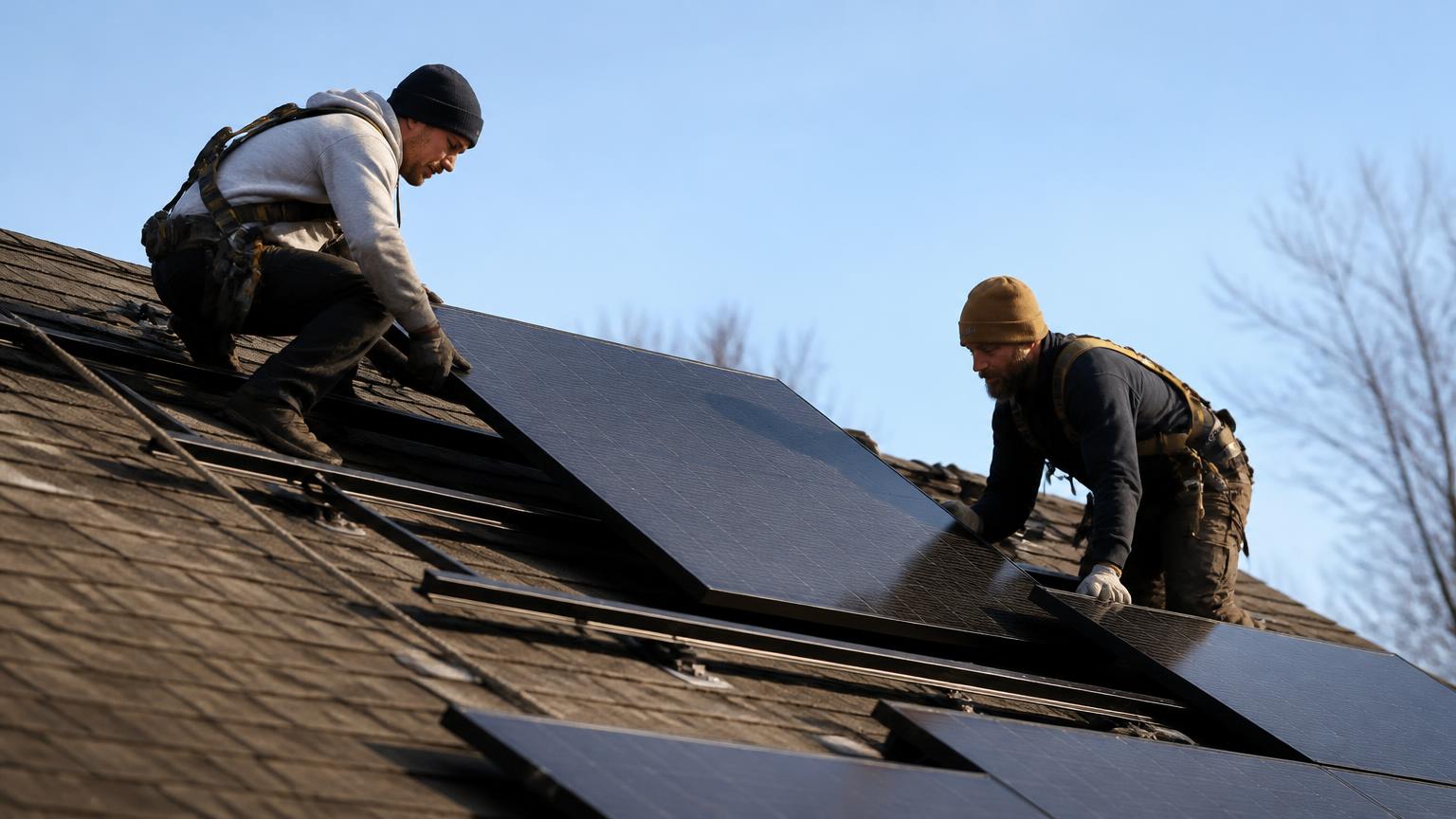
The economics of residential solar have shifted meaningfully. Payback periods have lengthened in many markets, financing terms have tightened as interest rates settled higher, and the pitch that carried the 2019–2023 boom no longer sells the way it used to. Installers still growing in 2026 rebuilt their lead engines around new messaging, new offer construction, and diversified lead sourcing that reduces exposure to any single aggregator platform.
This article covers the current-year solar sales landscape: the messaging shift from pure ROI to independence and resilience, the role of battery attachment in maintaining ticket size and close rates, financing product changes, and the lead source diversification that protects installers from aggregator platform risk.
The messaging shift: from ROI to resilience
Energy independence, backup power during outages, and hedge-against-utility-rate-hikes now outperform pure ROI pitches in most markets. Ads that lead with 'lock your electric rate for 25 years' or 'never lose power again' outperform ads that promise a specific dollar payback timeline. The reason is simple: with financing rates higher, the pure-payback math is less compelling than it was during zero-interest years, and customers know it.
The messaging that works in 2026 leans into control and certainty: control over your energy costs, certainty of your monthly bill, resilience against grid outages and rate increases. These are emotional benefits that survive quarterly rate changes and utility policy shifts.
Battery attachment: the ticket-size lever
Adding a battery to the standard proposal raises average ticket by 40–70% and improves close rate in markets with frequent outages or time-of-use rate structures. In California, Texas, and hurricane-affected coastal markets, battery-attached proposals close at meaningfully higher rates than solar-only proposals.
Lead sources should be qualifying on outage frequency, interest in backup power, and utility rate structure — not just roof suitability. The lead that answers 'yes' to 'have you lost power more than twice in the last year?' is a battery-attach candidate before they are a solar candidate.
Financing product evolution
The financing landscape has evolved from 20-year loans at 3% to a more complex mix: shorter-term loans at higher rates, PPA and lease structures returning to favor in some markets, dealer-fee-based products with lower monthly payments but higher total cost, and cash-preferred customers rewarded with meaningful discounts.
Successful installers train reps on three financing paths — cash, loan, and PPA/lease — and let the customer's cashflow situation guide the recommendation. Rigid attachment to a single financing product loses deals that would have closed on a different structure.
Aggregator concentration risk
Many solar companies still route 70%+ of their pipeline through one or two aggregator networks. When those networks change payout rules, cancel high-volume dealers, or shift lead quality thresholds, entire businesses stall. This concentration risk is now the biggest hidden threat to residential solar operators.
Diversification looks like: 30–40% aggregator leads, 20–30% exclusive lead partnerships, 15–20% owned SEO and content, 15–20% referral programs, and 5–10% event and door-to-door supplementation in appropriate markets. No single channel should exceed 40% of pipeline.
The sales cycle reality
Solar sales cycles run 14–60 days, longer than most home service categories. Multi-touch follow-up cadences matter more here than almost anywhere else. Structured 30-day nurture sequences that combine education (savings calculators, technology explainers) with social proof (customer testimonials in the same ZIP code) recover 20–30% of deals that would otherwise stall.
The mid-cycle killer is competing quotes. Solar customers routinely gather 3–5 proposals. The installer who wins is usually the one whose follow-up is most consistent and most educational, not the one with the lowest price.
In-home vs virtual sales
Post-2020, virtual sales became viable for solar. In-home still closes at a higher rate for high-ticket ($40K+) proposals, but virtual sales at $18K–$35K tickets close within 5–10 percentage points and cut per-appointment cost by 60–80%.
The right model depends on ticket size and geography. Rural markets and lower-ticket proposals lean virtual; premium urban markets and high-ticket proposals still benefit from in-home.
The cancellation problem
Solar cancellation rates from signed contract to install typically run 15–30% — the highest of any home service category. Cancellations happen because customers second-guess after signing, get better competing quotes, encounter financing hurdles, or face permit delays.
Reducing cancellation is often more profitable than generating more leads. Best-in-class installers reduce cancellation to under 15% through: same-day install-team introductions after signing, permit timeline transparency, financing lock at signing, and a dedicated post-sale customer success role that owns the pre-install period.
Frequently Asked
Questions & answers
Are solar leads still profitable in 2026?
Yes, but only with disciplined messaging, battery attachment, and diversified lead sourcing. Concentration in a single aggregator platform is the biggest hidden risk.
What is a good cost per solar lead?
Aggregator leads run $60–$180; exclusive purchase-intent leads run $200–$450. The right metric is cost per installed customer after cancellation — often $2,500–$4,500.
How do I reduce cancellation rates after signing?
Same-day install-team introduction, financing lock at signing, transparent permit timeline, and a dedicated post-sale customer success role.
Should I attach batteries to every solar proposal?
In markets with frequent outages or time-of-use rate structures, yes. In stable-grid, flat-rate markets, battery attachment should be based on customer interest, not default.
Is virtual solar sales as effective as in-home?
For $18K–$35K proposals, virtual closes within 5–10 points of in-home at 60–80% lower cost per appointment. For $40K+ premium proposals, in-home still wins.
Put this into practice
Check your market for exclusive leads
See whether your service area and category are still open for exclusive representation.
Check availability