Comparisons
Is Angi Worth It for Locksmiths? An Honest Breakdown
An honest verdict on Angi for locksmith work, including how shared leads affect emergency calls, planned projects, and your cost per booked job.
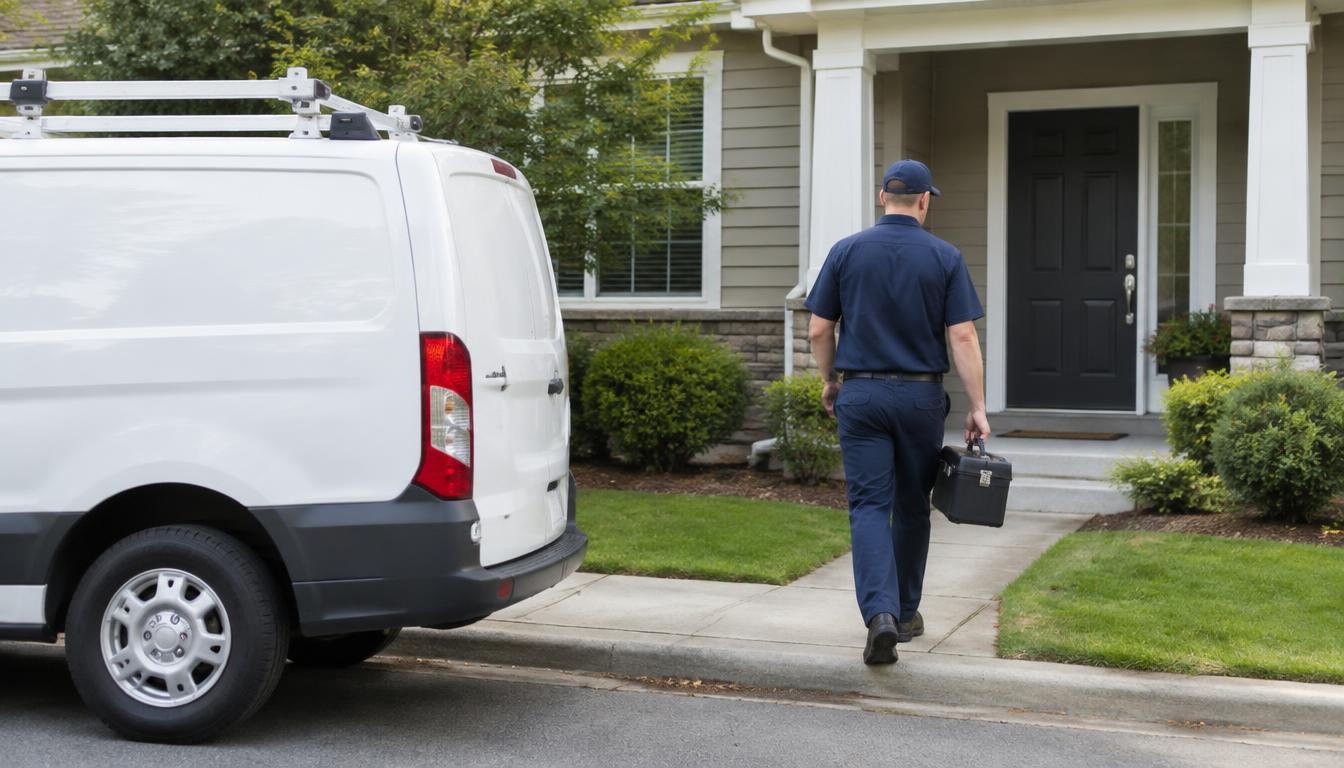
Angi can produce some residential work for locksmiths, especially when the customer is planning a rekey, replacing hardware, or comparing options before scheduling. But locksmithing is arguably the most speed-sensitive trade on any lead platform, and shared leads collide with that reality. Someone standing outside a locked house usually wants a credible locksmith who can answer now and arrive soon. A marketplace introduction can help you meet that customer, but it does not give you much time to turn the introduction into a booked job.
The honest answer is that Angi is worth testing for some locksmith businesses, not automatically worth buying for every locksmith. Your service mix, coverage area, dispatch capacity, lead terms, and booked-job economics matter more than the platform name. This breakdown separates emergency lockouts from planned work, explains the costs you should verify, and shows how to evaluate a marketplace without confusing incoming inquiries with profitable customers. It also covers what an exclusive, real-time lead changes and what it cannot fix.
How Angi's lead model works for locksmiths
Based on their published materials, Angi connects homeowners with service professionals through a marketplace that can match an inquiry with multiple pros. That is the shared-lead issue a locksmith needs to understand before signing up. You may receive a genuine request from someone who needs help, but another business may receive an opportunity to contact that same person. Buying access to a request is not the same thing as buying a job or becoming the customer's only option.
Based on their published materials, contractor arrangements can involve subscription or membership costs alongside per-lead charges. Do not assume every Angi product follows one identical billing structure. Ask which product you are being offered, whether any recurring charge applies, how individual leads are billed, and whether a commitment extends beyond your intended test. Confirm current terms directly with Angi, including cancellation requirements, service categories, geographic targeting, and the process for disputing a charge.
For locksmith work, ask unusually specific matching questions. Does your selected category include residential lockouts, automotive work, commercial hardware, or all of them? Can requests arrive outside your staffed hours? What information does the customer submit, and what information reaches you? Ask how many professionals may receive a request under your arrangement rather than assuming a fixed number. A request can be valid under the platform's rules while still being a poor fit for your equipment, licensing, service radius, or schedule.
Get the important answers in writing and keep the applicable terms with your billing records. A sales conversation is helpful, but it is not a substitute for understanding the agreement. Our Angi and HomeAdvisor comparison with Lead Search Pros offers another way to frame the buying decision. Start with the product you are actually considering, not somebody else's experience with a different package or an older version of the platform.
Where Angi genuinely helps a locksmith business
Angi's brand recognition is a real advantage worth considering. A homeowner who does not have a locksmith saved in their phone may begin with a marketplace they recognize rather than evaluate a long list of unfamiliar businesses. That does not guarantee trust or a booking, but it gives a legitimate contractor another place to be discovered. For a business with gaps in its schedule, an additional source of suitable residential inquiries can have practical value.
The review platform can also help customers evaluate your business. Clear service descriptions, recent feedback, accurate business details, and professional responses give a prospect more context than a phone number alone. That matters in locksmithing because customers are often inviting an unfamiliar person to a home or asking for help with a security problem. Reviews are not proof that every future job will go well, but a well-maintained profile can support a customer's decision to call.
Broad category coverage is another benefit. A homeowner may already be using a marketplace to arrange other household work when they realize they need locks changed. Someone moving into a house might be thinking about painting, repairs, and rekeying at the same time. A platform that covers many home service categories can fit that shopping process. Whether your particular locksmith services are available and properly categorized is something to verify, not assume.
These strengths are most useful when your operation is ready to convert the opportunity. A clear profile cannot compensate for unanswered calls, uncertain service coverage, or a confusing estimate. Likewise, an effective phone process cannot make every shared inquiry profitable. Give Angi credit for the visibility and comparison tools it can provide, then judge the actual requests against your own records. The fair question is not whether a marketplace has benefits. It is whether those benefits produce enough suitable, profitable work for your shop.
Why shared leads are especially difficult for emergency lockouts
A locked-out customer calls whoever answers first and sounds capable of solving the problem. There are exceptions, but urgency changes the buying process. Someone outside with groceries, a child, or bad weather has little reason to wait for a slow callback. If a lead is sold to four locksmiths, it can be worth nothing to the remaining businesses within minutes once one provider has been booked. Four is an illustration of the problem, not a claim about a fixed Angi distribution rule.
Emergency lockout work cannot wait through a shared-lead race. Even a valid request can become commercially useless before your technician sees it. You might be finishing another job, driving safely between appointments, or handling an existing customer when the notification arrives. By the time you call back, the person may already have an arrival estimate from someone else. That outcome does not necessarily mean the request was fake. It can mean the purchasing model and your response capacity were mismatched.
There is also a trust problem that urgency alone does not explain. Scam locksmiths and misleading offers have made some customers wary of unfamiliar providers. A rushed caller may still ask who is coming, what identification they carry, how pricing works, and whether the business is local. Accurate business information, appropriate licensing where required, a clear estimate process, and an honest arrival window become valuable trust signals. Do not use an artificially low opening price to win a race you cannot honor on site.
Our discussion of how shared leads can hurt close rates explains the broader competition problem. For locksmiths, the practical lesson is sharper: speed and credibility must happen together. Answering quickly with vague pricing or an unrealistic arrival promise can create another problem rather than a good booking. If you cannot staff prompt, competent responses during the hours requests arrive, emergency marketplace leads may be a poor purchase even when the platform supplies exactly what its terms promise.
Separate emergency work from planned locksmith projects
Do not evaluate a residential lockout and a scheduled rekey as if they were the same product. The lockout customer is buying immediate access and a believable arrival time. The rekey customer may be coordinating a move, gathering prices, or arranging a convenient appointment later in the week. Both customers need a competent locksmith, but their decision windows differ. That difference affects how much competition a lead can tolerate and how quickly a missed call becomes a lost opportunity.
Planned work generally tolerates a marketplace better because the customer has time to compare scope, professionalism, and scheduling. A homeowner replacing several locks may want an explanation of rekeying versus replacement before making a decision. A property manager may need a written scope and authorization before work starts. Access control can involve more planning, though you should confirm whether the platform's available categories actually support the residential or commercial projects your business performs.
Longer decision windows do not make shared leads free of friction. A planned project can attract competing quotes, require multiple follow-ups, or disappear when the customer changes plans. The advantage is that your process has more room to matter. A useful explanation, a complete estimate, and reliable scheduling can help you compete on something besides who called first. For emergency lockouts, that opportunity often narrows dramatically once another locksmith has already been dispatched.
Track these categories separately from the beginning. Record emergency residential lockouts, scheduled rekeys, hardware replacements, and other services in separate groups rather than blending them into one conversion rate. Include the time spent quoting and following up. A channel may be worthwhile for scheduled residential work while being a weak fit for urgent calls. If category controls allow it, buying only the work that fits your operation is more sensible than rejecting or embracing the entire platform based on a mixed set of results.
Calculate cost per booked job, not just cost per lead
A low lead price can hide expensive customer acquisition. The basic calculation is simple: divide the acquisition spending attributable to a channel by the jobs booked from that channel during the same measurement period. Include applicable subscription costs and per-lead charges, then account for credits you actually received. Keep the time period consistent. If you include spending from one month but bookings from several months, the number can make a weak channel look healthier than it is.
Here is a purely hypothetical example, not Angi pricing or a claim about typical results. Suppose a locksmith spends $600 in total acquisition charges and receives 20 inquiries. If four inquiries become booked jobs, the acquisition cost is $150 per booked job. If only two become bookings, it is $300. The inquiry price did not change; the conversion outcome did. This is why a shared lead that looks affordable on its own can become expensive when several other businesses are chasing the same customer.
Now compare that acquisition cost with the money the work actually contributes. Suppose, again hypothetically, each completed job leaves $180 after direct labor, materials, and travel but before marketing and general overhead. A $150 acquisition cost leaves little room for those remaining expenses. A $300 acquisition cost would exceed that contribution on the initial job. Your own figures may differ substantially, so use real invoices and costs instead of copying an illustrative threshold from an article.
Booked jobs are also not always completed, paid jobs. Track cancellations, no-shows, collected revenue, and additional dispatch costs. Be conservative about future repeat work unless your records support it. An emergency customer might call again, but a possible future booking does not pay today's bill. Our guide to calculating true customer acquisition cost can help you organize the numbers. Evaluate the channel against the margin your actual service mix produces, not against revenue alone or a salesperson's description of an ideal customer.
Who Angi fits, and who should be cautious
Angi may fit a locksmith business with staffed phone coverage, available appointment capacity, a clear residential offering, and the ability to handle competitive inquiries calmly. It can also make sense as a limited supplement when you want additional planned work rather than a complete replacement for referrals and other acquisition sources. A contractor who can track outcomes accurately is in a better position to test the channel than one who only knows whether the phone felt busy.
Be more cautious if you operate alone and cannot answer while working, primarily want urgent lockouts, or cover an area where travel makes quick arrival unrealistic. Thin job margins also reduce the room for missed opportunities. If your budget cannot absorb a test that fails, a binding purchase deserves particular scrutiny. Do not assume that receiving more requests will solve a capacity problem. More callers can simply mean more interruptions if you cannot serve them profitably.
Set your decision rules before the test begins. Decide which job categories you want, what geographic limits make sense, how much you can spend, and what cost per completed job your margins support. Choose a review period that respects the agreement and gives planned projects time to reach a decision. Avoid declaring victory after one strong job or failure after one frustrating call. Small samples are noisy, but recurring mismatches still deserve attention.
At the review, separate platform fit from operational mistakes. Requests outside the agreed scope, customers already booked elsewhere, missed calls, weak estimates, and unavailable technicians are different problems. Some may be addressable through targeting or process changes; others may indicate a poor purchasing model for your shop. Keep the conclusion specific. Saying that Angi did not work for your emergency coverage is more useful than claiming it cannot work for any locksmith, anywhere, under any arrangement.
How to get more from Angi if you stay
Start by tightening the fit between your profile and the jobs you actually want. Describe your services plainly, keep your coverage area accurate, and avoid implying capabilities you do not have. Check available controls for service categories, availability, and request volume. Confirm what can be changed under your current agreement before relying on those controls. A smaller stream of appropriate inquiries can be more useful than a larger stream your dispatcher must repeatedly decline.
Next, build a response process that works during real working hours, not just during quiet moments. Decide who answers, who provides an arrival estimate, and who follows up if the first call is missed. Our speed-to-lead guide explains why prompt follow-up matters, but emergency locksmith customers may move on well before any general response benchmark. Do not treat a benchmark as permission to wait. If a request arrives while you are unavailable, your system needs an honest next step.
Use the first conversation to establish fit and trust. Confirm the service location, the kind of lock or access issue, and whether the caller is authorized to request the work. Explain how the estimate will be established, what can change the scope, and when a technician can realistically arrive. Follow applicable authorization and identification procedures. These details protect the business and help a wary customer understand that they are dealing with a professional rather than a vague dispatch operation.
Finally, reconcile results and charges regularly. Log when a lead arrived, when you responded, whether you reached the customer, and why the opportunity did not book. Keep records needed for any dispute and follow the platform's current deadlines and eligibility rules. Confirm current terms directly with Angi rather than assuming every unwanted inquiry qualifies for a credit. Improving follow-up is worthwhile, but do not let process improvements become an excuse to keep buying a channel that consistently misses your financial targets.
The alternative: exclusive, real-time locksmith leads
Exclusive, real-time leads address a specific weakness of shared distribution. Instead of paying for a request simultaneously offered to competing buyers, you receive an opportunity that is not sold by that provider to another company in the same market. Real-time delivery helps reduce delay between the request and your response. Neither feature guarantees a booking. The customer can still search elsewhere, call another locksmith independently, decline your estimate, or need something outside your capabilities.
Lead Search Pros offers exclusive leads sold to one company per market with real-time delivery. Packages are paid upfront with no retainer, and service is month-to-month with 30-day cancellation. Qualifying invalid leads reported within 72 hours receive free replacement under the published lead policy. Those are the terms to evaluate. They do not mean every inquiry becomes a job, every unsuccessful call qualifies for replacement, or your business can ignore response speed once a lead arrives.
Review the locksmith leads page, how it works, and lead pricing before deciding whether the buying model fits your operation. Read the published lead policy for the actual qualification and reporting requirements. Upfront payment and cancellation notice still matter to cash flow, even without a retainer. Compare the full commitment and the replacement rules rather than focusing only on the word exclusive.
The final verdict is practical: Angi can be worthwhile for a locksmith who can turn suitable residential requests into profitable work, particularly when customers are planning rather than stranded. It is harder to justify when urgent lockouts dominate and shared distribution repeatedly leaves you calling after the decision is made. Compare both models using completed jobs, contribution, and response capacity. If you want to discuss the exclusive option, contact Lead Search Pros, then apply the same financial discipline you would use with any lead provider.
Frequently Asked
Questions & answers
Is Angi worth it for a solo locksmith?
It can be, particularly for scheduled residential jobs, but a solo operator faces a response problem while driving or completing work. If most requests require immediate lockout service, shared competition may be difficult to manage without reliable phone coverage. Test only within a budget and agreement you understand. Track how many suitable inquiries become completed, paid jobs, and separate missed-call losses from requests that were unsuitable from the start.
How much do Angi locksmith leads cost?
There is no single price you should assume applies to your business. Based on their published materials, arrangements can involve subscription or membership costs alongside per-lead charges. Ask for the current terms for your location, categories, and product, including recurring charges and cancellation obligations. Then calculate the total cost per booked and completed job. A quoted inquiry price alone does not tell you whether the channel will be profitable.
Are Angi locksmith leads exclusive?
Based on their published materials, Angi's marketplace can match requests with multiple professionals, so you should not assume exclusivity. Ask how distribution works for the specific product being offered and confirm current terms directly with Angi. Also distinguish provider exclusivity from customer behavior. Even when a lead provider sells a request to only one business, the customer remains free to look elsewhere or call other locksmiths independently.
Are rekeys a better marketplace fit than emergency lockouts?
Often, yes, because a planned rekey usually gives the customer more time to compare providers and arrange an appointment. Emergency callers may book the first credible locksmith who can arrive soon. That does not guarantee rekey leads will be profitable or make emergency leads universally bad. Track each service separately, including quoting time, travel, completed revenue, and acquisition spending, so your decision reflects your own operating conditions.
Does an unbooked lead automatically qualify for a refund or replacement?
No. A customer choosing another company is not automatically the same as an invalid request. Each provider's written policy defines eligibility, documentation, and reporting deadlines. Confirm Angi's current rules directly. Lead Search Pros provides free replacement of qualifying invalid leads reported within 72 hours under its published lead policy. Read the policy before purchasing and keep timely records rather than assuming every missed opportunity qualifies for a remedy.
Should I leave Angi for exclusive locksmith leads?
Not solely because one model sounds better in principle. Compare your actual Angi results with the terms and economics of the alternative. Exclusive distribution removes provider-created sharing within the stated market arrangement, but you still need prompt responses, credible estimates, and capacity to do the work. Review existing cancellation obligations before changing channels, and judge any new source by suitable inquiries, completed jobs, and contribution after acquisition costs.
Put this into practice
Check your market for exclusive leads
See whether your service area and category are still open for exclusive representation.
Check availability