Lead Generation Playbooks
How to Get Water Damage Restoration Leads: Emergency & Remediation Channels Ranked for 2026
Learn how water damage restoration contractors acquire high-intent emergency jobs and mold remediation leads using pay-per-lead programs, local SEO, AEO, and direct trade partnerships.
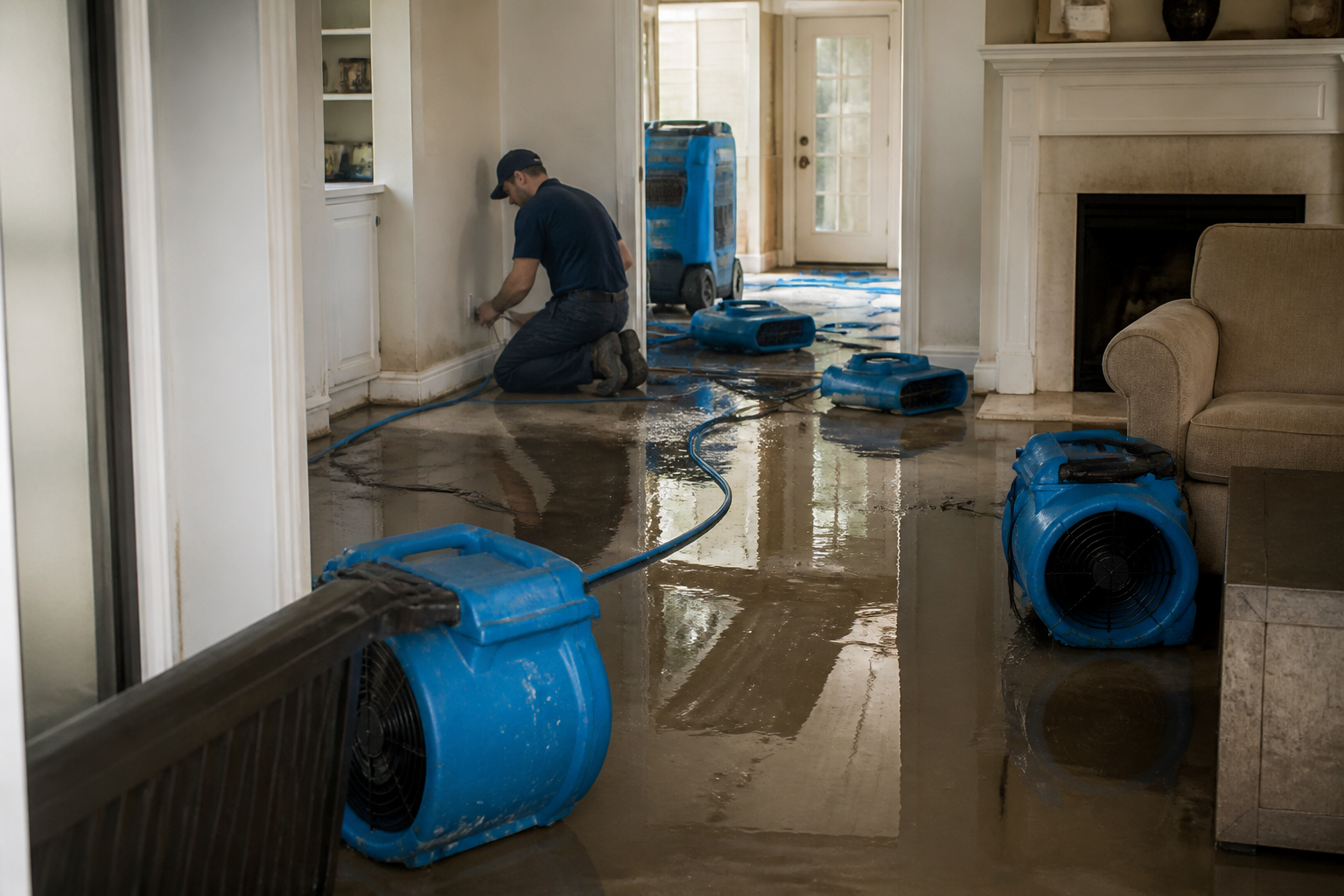
To get water damage restoration leads, contractors must capture high-intent property owners at the exact moment a clean water pipe bursts, a sewage backup occurs, or floodwaters enter a structure. Generating a reliable pipeline of restoration jobs requires a combination of real-time inbound emergency calls, optimized local search visibility, and strategic referral networks with local trades and property managers.
Because property mitigation jobs often carry substantial ticket values, search advertising costs on platforms like Google Ads can be prohibitive, with pay-per-click bidding creating high cost-per-acquisition challenges. Contractors achieve the highest return on investment by diversifying across exclusive pay-per-lead programs, local Google Map Pack rankings, Answer Engine Optimization (AEO), Google Local Services Ads (LSA), and direct trade partnerships.
Success in water damage restoration lead acquisition depends heavily on immediate dispatch capability. Emergency leads convert at their highest rate within minutes of the incident, meaning your acquisition strategy must be paired with round-the-clock call routing and intake protocols.
Ranking Water Damage Restoration Lead Acquisition Channels
Selecting the right mix of lead channels depends on your operational capacity, capital requirements, and dispatch speed. Below is a detailed breakdown comparing the primary lead acquisition channels available to water damage and mold remediation contractors in 2026.
| Channel | Primary Intent Level | Speed to Lead Required | Acquisition Cost Structure | Lead Exclusivity |
|---|---|---|---|---|
| Exclusive Pay-Per-Lead | Very High (Emergency) | Immediate (Under 2 minutes) | Fixed Pay-Per-Qualified-Lead | Exclusive to your company |
| Google Local Services Ads | High (Emergency & Scheduled) | Immediate (Under 5 minutes) | Variable Pay-Per-Call | Shared intent, direct call |
| Google Business Profile / Local SEO | High (Local Search) | Fast (Under 15 minutes) | Fixed monthly optimization | Exclusive inbound |
| Plumber & Adjuster Referrals | Very High (Direct Referral) | Immediate (On-site handoff) | Commission / Relationship cost | Exclusive direct handoff |
| Answer Engine Optimization (AEO) | High (Informational & Urgent) | Fast (Under 10 minutes) | Organic content investment | Exclusive inbound |
| Google Search PPC Ads | Moderate to High | Immediate (Under 2 minutes) | Variable Pay-Per-Click | High bidding competition |
1. Exclusive Pay-Per-Lead Programs
Exclusive pay-per-lead generation provides water damage restoration contractors with immediate inbound phone calls and form submissions from property owners who need immediate extraction, drying, or remediation services. Unlike general pay-per-click advertising where you pay for website visits regardless of whether the user calls, a structured pay-per-lead program charges strictly for verified, qualified inbound inquiries.
Working with an exclusive partner ensures that leads are sent solely to your dispatch team rather than sold to multiple local competitors simultaneously. For high-ticket emergency jobs, acquiring water damage restoration leads on a true pay-per-lead basis lowers financial risk and creates a predictable cost structure. Comparing pay-per-lead versus pay-per-click shows that fixed-cost qualified calls eliminate wasted ad spend on unqualified clicks or non-service inquiries. Reviewing transparent lead pricing structures helps contractors establish clear target acquisition costs per booked job.
2. Local Search Engine Optimization and Google Business Profile
When a homeowner experiences a sudden water emergency, their first action is often searching for emergency water removal on a mobile phone. Securing top positions in the Google Map Pack and local search listings delivers a constant stream of organic inbound calls.
To optimize your Google Business Profile for water damage services:
- Claim and verify your main office facility and define precise service areas without violating Google address guidelines.
- Select primary categories such as Water Damage Restoration Service and secondary categories including Building Restoration Contractor and Mold Remediation Service.
- Upload high-resolution photos showing your extraction equipment, moisture meters, dehumidification setups, and branded service vehicles.
- Implement structured review generation processes so satisfied customers leave detailed feedback mentioning specific services like burst pipe cleanup or basement flood drying.
Investing in long-term local organic visibility provides compounding returns over time, reducing your overall cost per lead as organic authority grows. Combining traditional SEO with specialized search engine and AI optimization services ensures your business appears prominently across both map listings and modern conversational search platforms.
3. Answer Engine Optimization (AEO) and AI Search Engines
Property owners increasingly turn to AI search assistants, voice search platforms, and generative answer engines to ask specific questions about water damage insurance claims, mold safety, and emergency drying procedures. Answer Engine Optimization (AEO) focuses on structuring your digital content so search engines and AI language models reference your company as the authoritative local service provider.
To capture AI-driven search traffic:
- Publish clear, direct instructional guides answering emergency questions, such as what to do when a water heater ruptures or how fast mold begins growing after a flood.
- Implement comprehensive schema markup across your site, specifying your service areas, emergency response hours, and specialized capabilities.
- Format content using clear headings, concise bullet lists, and plain language answers that AI models can easily parse and present to users.
Building a strong footprint in AI search answers protects your local brand presence as search behavior shifts toward conversational interfaces.
4. Google Local Services Ads (LSAs)
Google Local Services Ads sit at the top of Google search results pages, showing your business name, review rating, and the Google Guaranteed or Google Screened badge. For restoration contractors, LSAs operate on a pay-per-call model, meaning you pay when a prospect calls your business directly through the ad.
Key strategies for managing Google LSAs:
- Complete the background check, license verification, and insurance documentation promptly to maintain active badging.
- Set accurate service categories, isolating emergency water damage from general cleaning services to control incoming call types.
- Maintain rapid call answer rates. Google tracks how fast calls are answered and how often calls go to voicemail, favoring responsive contractors with higher ad placement.
- Promptly dispute invalid calls, such as wrong numbers or out-of-service-area requests, using Google's dispute portal.
While LSAs offer high intent, evaluating Google LSAs compared to exclusive lead programs helps contractors balance platform reliance with dedicated lead streams.
5. Direct Trade Partnerships and Referral Networks
Not all water damage leads come from digital search queries. Direct professional relationships with local trade professionals and industry stakeholders represent one of the most cost-effective lead generation channels for restoration contractors.
High-value referral sources include:
- Local Plumbers: Plumbers are often the first professionals called when a pipe breaks or a drain overflows. Building referral agreements with local plumbing companies creates a steady pipeline of immediate emergency handoffs. Exploring general plumbing lead generation strategies can help you understand how plumbing contractors operate and structure mutually beneficial referral partnerships.
- Insurance Adjusters and Agents: Independent adjusters and local insurance agents regularly assist policyholders with property damage claims. Establishing relationships by offering prompt estimate documentation and reliable communication makes your company a preferred recommendation.
- Property Managers and Facility Directors: Commercial property managers and HOA directors need reliable restoration partners available 25/7 to handle building emergencies quickly, protecting property value and tenant safety.
6. Response Speed and Call Intake Conversion
Generating leads is only half the battle in water damage restoration. Because property damage worsens by the hour, prospective customers typically call two or three companies until they speak with a live representative who can dispatch a crew immediately.
To maximize your lead conversion rate:
- Utilize 24/7 live answering services or dedicated dispatch staff rather than sending after-hours calls to voicemail.
- Train intake representatives to gather critical details immediately: water source, affected rooms, standing water depth, and insurance company name.
- Emphasize immediate response times over the phone, assuring the customer that a technician is prepared to respond to their location.
Adhering to strict speed to lead standards ensures that expensive emergency inquiries translate directly into booked, billed restoration projects.
Building a Balanced Water Damage Lead Strategy
Relying on a single marketing channel leaves your restoration business vulnerable to ad platform price spikes, algorithm updates, or seasonal fluctuations. The most resilient restoration companies combine real-time pay-per-lead programs for immediate job volume with steady local SEO, AEO optimization, and direct local trade partnerships.
By controlling acquisition costs and maintaining high operational responsiveness, you create a scalable lead engine that supports long-term revenue growth.
To secure exclusive water damage leads in your local service area, check market availability to see if your territory is open.
Frequently Asked
Questions & answers
What is the difference between clean water, gray water, and black water leads?
Clean water leads involve clean sources like supply pipe breaks. Gray water leads involve appliance overflows or sump pump failures containing mild contaminants. Black water leads involve highly contaminated sewage backups or floodwaters. Qualifying the category during intake ensures proper safety gear, pricing estimates, and insurance documentation.
Why are Google Ads pay-per-click costs so high for water damage keywords?
Water damage and emergency extraction jobs carry high average ticket values, ranging from several thousand to tens of thousands of dollars. Intense competition among restoration companies driving up keyword bidding leads to high cost-per-click pricing on search ad platforms.
How fast must a restoration contractor respond to an emergency lead?
Restoration contractors should answer calls live or respond to digital lead inquiries within two minutes. Property owners facing active flooding will quickly call another company if they hit voicemail or experience dispatch delays.
How do direct plumber partnerships work for water damage leads?
Restoration contractors build relationships with local plumbers who arrive on-site for pipe repairs. When standing water or structural moisture is present, the plumber refers the homeowner to the restoration contractor for drying and mitigation, often in exchange for a referral fee or reciprocal plumbing work.
References
Put this into practice
Check your market for exclusive leads
See whether your service area and category are still open for exclusive representation.
Check market availabilityKeep reading
Technical SEO
Why Your Schema Markup Isn't Working: A Diagnostic Checklist for Local Sites
15 min read
SEO
Entity SEO for Local Businesses: How to Become a Recognized Thing, Not Just a Website
16 min read
Technical SEO
Review and AggregateRating Schema Done Right: Rules, Risks, and What Actually Shows
15 min read