Roofing
Storm Chasing vs. Steady Pipeline: How to Build a Year-Round Pay-Per-Lead Roofing Strategy
Most roofing companies over-index on storm work and starve during quiet quarters. Here's how to build a pay-per-lead roofing mix that survives hail droughts, insurance cycle changes, and seasonal demand collapse.
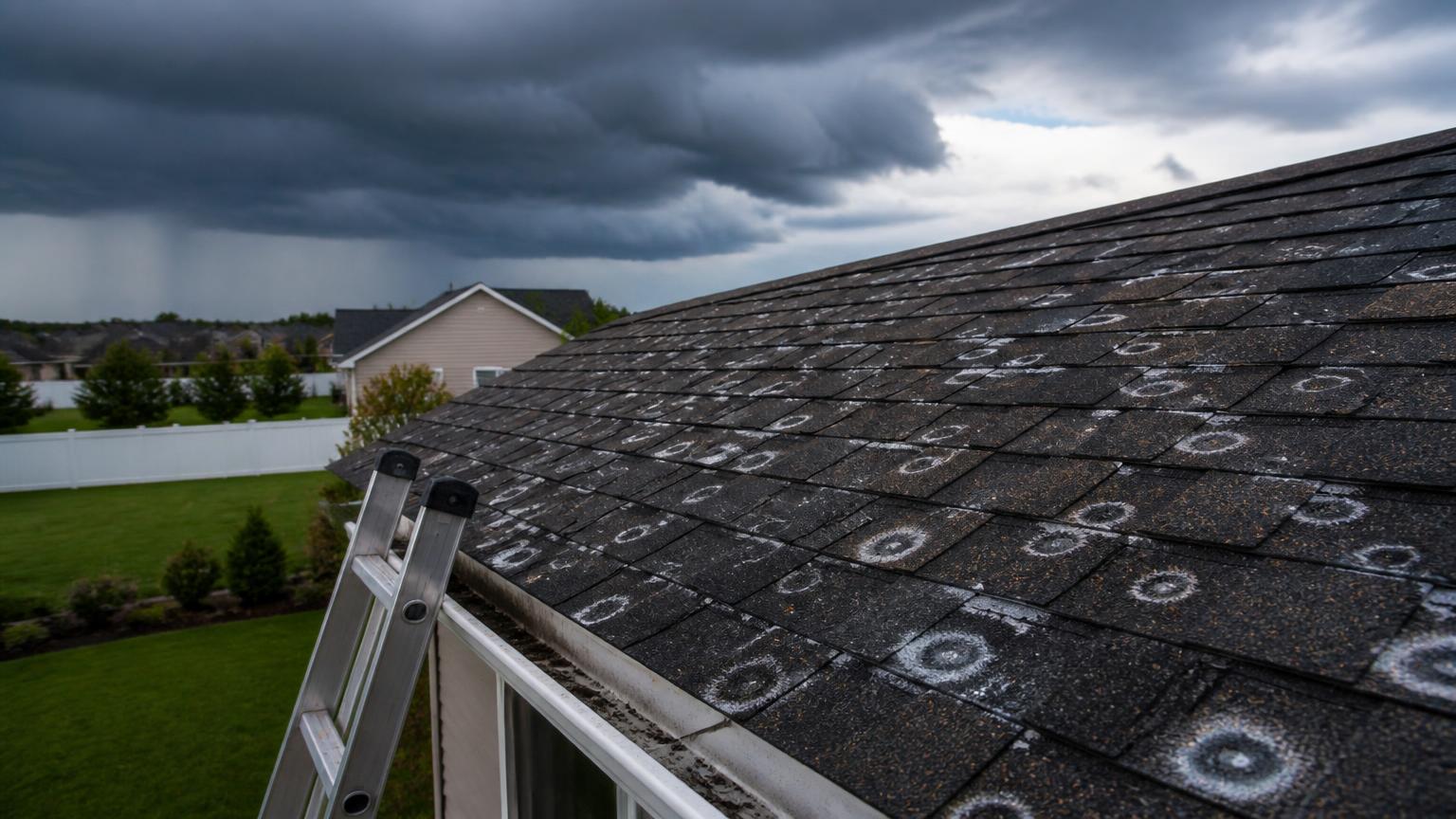
Ask any veteran roofing owner what their worst business year looked like, and the answer almost always involves one of two things: a metro that went two seasons without a serious storm, or an insurance carrier cycle that suddenly tightened claims across an entire region. Companies built exclusively on storm-driven pay-per-lead inventory get flattened when either happens. Companies built on a balanced pipeline barely notice.
This article breaks down why storm chasing alone is a fragile business model, what a year-round pay-per-lead roofing strategy actually looks like, and how to allocate budget across storm, retail, insurance, and repair inventory so that Q1 and Q4 stop feeling like survival months.
Why storm-only roofing companies are structurally fragile
Storm-driven roofing is one of the highest-margin categories in home services. A single hail event across a metro can produce hundreds of insurance-driven inquiries in 72 hours, close at 45–60%, and generate tickets north of $18,000 with limited price sensitivity. The temptation to run a business exclusively on that inventory is understandable.
But storm demand is not a business — it is a weather event. The three risks stacked into a storm-only roofing model are meteorological (no hail this year), regulatory (state insurance departments tightening deductible enforcement), and carrier-driven (individual insurers changing supplement approval processes overnight).
When any of those three risks fire, storm-only operations experience 40–70% revenue drops within a single quarter. Companies that survive have already built retail, repair, and referral pipelines quietly running in the background — even when storm work is subsidizing everything.
The four buckets of pay-per-lead roofing inventory
A durable roofing pipeline mixes four distinct PPL buckets. Each has its own economics, its own sales motion, and its own seasonal behavior.
Storm and insurance inventory. Driven by hail, wind, and named-storm events. Highest close rates, highest tickets, most volatile volume. Requires adjuster and supplement expertise.
Retail replacement inventory. Homeowners with aging roofs choosing to replace on their own timeline. Lower urgency, higher price sensitivity, longer sales cycle. This is the countercyclical bucket that carries a roofing company through quiet weather.
Repair and maintenance inventory. Small-ticket leaks, flashing failures, and section repairs. Lower revenue per job, higher lifetime value (repairs frequently convert to full replacements 12–36 months later). Excellent CSR training inventory.
Commercial and property manager inventory. Long sales cycles, RFP-driven, relationship-heavy. Not really a PPL play — this bucket is built through outbound and network.
The right mix depends on your capacity, geography, and comfort with insurance work. But almost every operation should have at least three of these four buckets active at any time.
Seasonal PPL rhythm: what the calendar actually does to your funnel
Roofing demand is seasonal, but it is not seasonal in the way most operators intuit. Storm demand spikes in spring and early summer in most of the US, with a secondary fall window in tornado-prone metros. Retail demand is broadly summer-weighted but stays viable through late fall. Repair demand peaks after the first heavy rain of the season and after each freeze-thaw cycle in northern markets.
Layered together, this gives you an operational rhythm. Q1: repair-heavy, retail beginning to warm up, storm inventory generally dormant. Q2: storm-dominant if weather cooperates, retail active. Q3: retail-dominant, insurance work continuing on prior claims. Q4: retail closing out, repair activity elevated, commercial planning for next year.
A PPL budget that stays static month-to-month wastes money in every one of those seasons. Shift allocation quarterly: heavier retail spend in Q3 and Q4, heavier storm allocation in Q2, heavier repair spend in Q1 and after any severe-weather event.
Insurance work is not the same as storm work
Many roofing companies conflate 'insurance leads' with 'storm leads.' They overlap, but they are not identical. Storm leads are inquiries driven by a specific weather event. Insurance leads are inquiries where the homeowner intends to use their carrier — which can happen from a storm, from unrelated water damage, from tree impact, or from delayed damage discovery months after an event.
Insurance-restoration work should be its own pipeline with its own PPL budget line. In storm-dormant seasons, insurance leads still flow at reduced volume — homeowners discover damage, file late claims, and shop contractors year-round. Operators who treat this as a distinct bucket, rather than a subset of storm, capture 15–25% more insurance revenue over a full year.
Retail is the anti-fragile bucket
Retail roofing replacement — homeowners with aging roofs choosing to replace without an insurance claim — is the bucket most storm-driven operators underweight and later regret. Retail is slower to close (2–4 weeks average vs. 7–14 for insurance) and more price-sensitive. But it is also the bucket that keeps crews busy in December, January, and drought years.
Retail PPL inventory typically runs $90–$180 per exclusive inquiry in most metros. Close rates run 20–32% for operators with strong in-home sales processes and financing options. The economics work — the discipline required is a different sales motion from insurance work. Retail buyers care about product warranty, financing terms, and reviews. Insurance buyers care about carrier expertise and speed.
If retail feels 'harder' than insurance work in your operation, that is a signal that your sales process is optimized for insurance and needs retail-specific coaching, not that retail is a bad channel.
Building the pipeline: a 90-day plan
If you are storm-heavy today and want to diversify, this is the sequence.
Days 1–30: Add a retail PPL vendor at 20–30% of current storm spend. Build a dedicated retail landing page or intake script. Track close rate, sit rate, and average ticket as a separate cohort from storm work. Do not compare the two — retail benchmarks are different by design.
Days 31–60: Add a repair PPL vendor at 10–15% of storm spend. Train a dedicated repair estimator or route repairs through your fastest-quoting salesperson. Track repair-to-replacement conversion at 12 months as a leading indicator of pipeline quality.
Days 61–90: Layer in owned media — Google Local Services Ads, targeted SEO for retail replacement queries, a systematic referral program. These channels compound. Every month of investment produces slightly more organic inquiries than the last.
By day 90, storm exposure should be 60–70% of total spend rather than 100%. That single change makes the business survivable across most weather and carrier cycles.
The metric that predicts pipeline resilience
There is a single leading indicator that predicts whether a roofing company will survive a bad weather year: the percentage of monthly gross margin that comes from non-storm sources. Below 25%, the business is fragile. 25–40%, the business is viable through most cycles. Above 40%, the business is genuinely resilient and can expand aggressively even in slow storm seasons.
Track this monthly. If the number is trending down over three months, your storm allocation is growing faster than your baseline pipeline can absorb, and you are one bad quarter from a scramble.
Frequently Asked
Questions & answers
How much of my roofing revenue should come from non-storm work?
At least 30–40% for a resilient operation. Companies below 25% non-storm revenue are structurally fragile and highly exposed to weather cycles.
Is retail roofing pay-per-lead profitable in a storm-heavy market?
Yes, though it requires a different sales process. Retail PPL inquiries typically cost $90–$180 exclusive and close at 20–32% with strong in-home sales and financing options in place.
Should I run separate landing pages for storm vs. retail vs. repair leads?
Yes. Different intent, different messaging, different qualification questions. Running everything through one page produces mediocre performance across all three buckets.
What is a healthy retail roofing close rate on exclusive PPL leads?
20–32% is the typical band. Above 32% usually indicates a strong in-home sales process; below 20% usually indicates rushed follow-up or an unpolished pitch.
How do I keep crews busy in a slow storm season?
Front-load retail and repair PPL spend, activate financing partners for retail buyers, and run a formal referral and repeat-customer program. Anti-fragility is built during the good years, not during the drought.
Put this into practice
Check your market for exclusive leads
See whether your service area and category are still open for exclusive representation.
Check availability